
Texas, private property
Dead Opossum Removal in Texas
Texas law counts the opossum as a fur-bearing animal; the definition is at Parks and Wildlife Code §71.001(1), and subsection (9) of that section defines a carcass as the body of a dead fur-bearing animal. Those two definitions are what this page takes from the statute, and it draws no conclusion from them about possession. An opossum found dead on private property goes out for disposal and stays with no one.
What does Texas law call a dead opossum?
The carcass of a fur-bearing animal. The statute, Parks and Wildlife Code §71.001(1), names eleven animals as fur-bearing, and the opossum sits in that list beside the raccoon, skunk, fox, badger, beaver, otter, mink, muskrat, ring-tailed cat and nutria. Subsection (9) of the same section defines a carcass as the body of a dead fur-bearing animal. Both are definitions. This page states them and goes no further; whether or how anyone may hold such a carcass is not a question it answers.
What the page does cover is practical. An opossum found dead on a lawn, under a deck with an open gap, or in a crawl space with an access door can be collected when an independent operator takes the address. The body is taken for disposal and held by no one afterward. Who removes dead animals in general, and which rules govern disposal, are set out in the who-removes guide and the disposal rules guide.
Source: Texas Legislature, Parks and Wildlife Code §71.001, checked 2026-11-24.
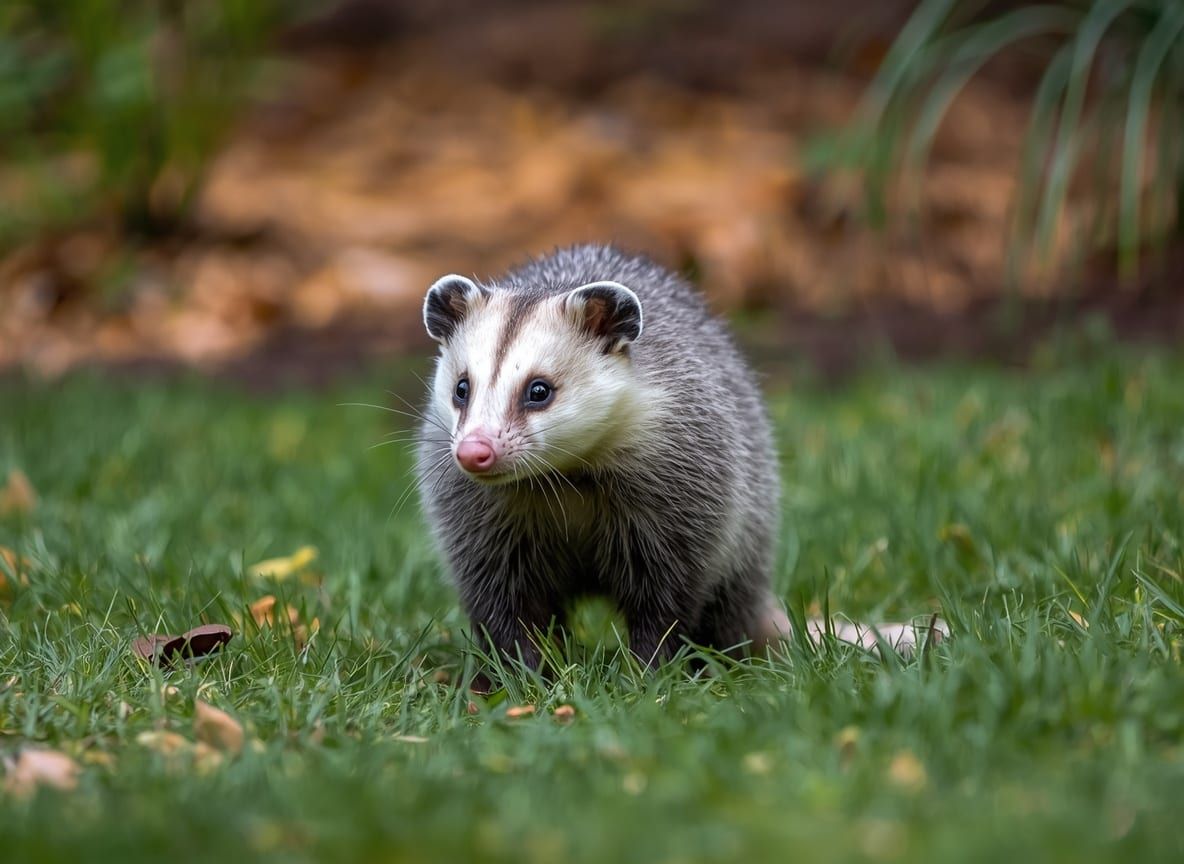
Before anyone is called Make sure the opossum is dead. A motionless opossum may not be a dead one; watch from a distance for breathing or movement before anything else is done. A live animal is not routed here. Then note where it lies: open ground, under a deck or porch, in a crawl space, or behind a finished surface that would have to come apart. A removal request needs a carcass that an existing opening reaches.
Cases this page is for
- A dead opossum on a lawn, patio, driveway or in a flower bed
- An opossum beneath a porch or shed, where the crawl gap opens to the outside
- An opossum in a crawl space entered through its access door
- An opossum in a garage, carport or outbuilding on residential land
- An opossum in a pool skimmer, window well or open drain on the property
- An opossum in an attic reached by its existing hatch
What falls outside it
A live opossum is not routed through this site, whatever its condition. A body enclosed by a wall, ceiling or floor is information only: finished drywall, plaster and ceilings stay as they are, and the wall article covers that case. Work on how an opossum got under a house, or on keeping animals out, is not offered. The remains of a pet or of livestock are not routed here. A smell with no body in view has its own page.
An opossum tends to die low: under a deck, in a crawl space, against a foundation. The operator needs a way in that already exists: a gap, a hatch, an access door. If the space is closed in, the operator judges on site what can be reached. No finished surface is disturbed to make a way in.
How long the smell outlasts the body depends on the size of the animal, the warmth and dampness of the space, the air movement and the spot. Still air under a closed deck holds a smell; an open lawn lets it go sooner. No count of days is given here, in either direction.
The record of a request
- Phone the routing line or fill in the form. The form's ZIP code decides which independent operator, if any, receives it.
- The operator confirms the animal is dead and asks about the spot and the way in.
- You settle price and timing with the operator; the site sets neither.
- The opossum is removed and taken for disposal. It is not held, kept or passed to anyone.
About this animal
What does Texas law call an opossum?
A fur-bearing animal, one of the eleven named in Parks and Wildlife Code §71.001(1). Subsection (9) defines a carcass as the body of a dead fur-bearing animal. Both are definitions, and this page takes nothing further from them.
Is a motionless opossum dead?
Not necessarily. Watch from a distance for breathing or movement before doing anything. If it moves, it is a live animal, and live-animal requests are not routed through this site. If it is dead and on private property, the request can be placed.
Who removes a dead opossum from under a deck?
An independent operator, where one covers the address and the space under the deck opens to the outside. The operator judges on site what can be reached. The under-house page draws the line between an open gap and a closed space.
Does the opossum go anywhere other than disposal?
No. The body is taken away for disposal; none of it is retained. The definition of municipal solid waste in Health and Safety Code §361.003(20) names dead animals, and 30 TAC §330.3(155) names them again as a special waste.
Is an opossum shut in a wall a removal?
No. A body closed inside a wall, ceiling or floor is information only here. Finished walls and ceilings stay intact. The wall article says what the smell can and cannot tell you.
What is done about the smell after the opossum is removed?
Nothing beyond removing the body. How long the smell lasts depends on the opossum's size and on heat, moisture, ventilation and location. No spray, wash or scent product is offered, and no day count is given.
Where on the property
- Under the house or deckA carcass under a deck, porch, shed or raised house, reached through the gap or skirting opening the structure already has, by an independent operator where one covers the address.
- In a crawl spaceA carcass in the crawl space of a raised house, reached through the hatch or vent opening the house already has, by an independent operator where one covers the address.
- In the yardA carcass lying in the open on a lawn, bed, patio or driveway, with the curb options two Texas cities publish and the operator route for everything else.
Whose job is it? Who removes it · Disposal rules · Dead deer
By area: Harris County · Montgomery County · Dallas · Austin