
Private property
Animals and situations
By animal
Six animals
The species changes the rules. A dead deer that is moved falls under TPWD's carcass rule, 31 TAC §65.88, which names the only lawful places it may go. Raccoons, skunks and opossums are fur-bearing animals under the Parks and Wildlife Code, and a live fox, skunk, coyote or raccoon may not be transported anywhere in the state under the rabies quarantine in 25 TAC §169.34. Squirrels are game animals. Nongame birds are protected by Parks and Wildlife Code §64.002, so the bird page is guidance rather than a service.
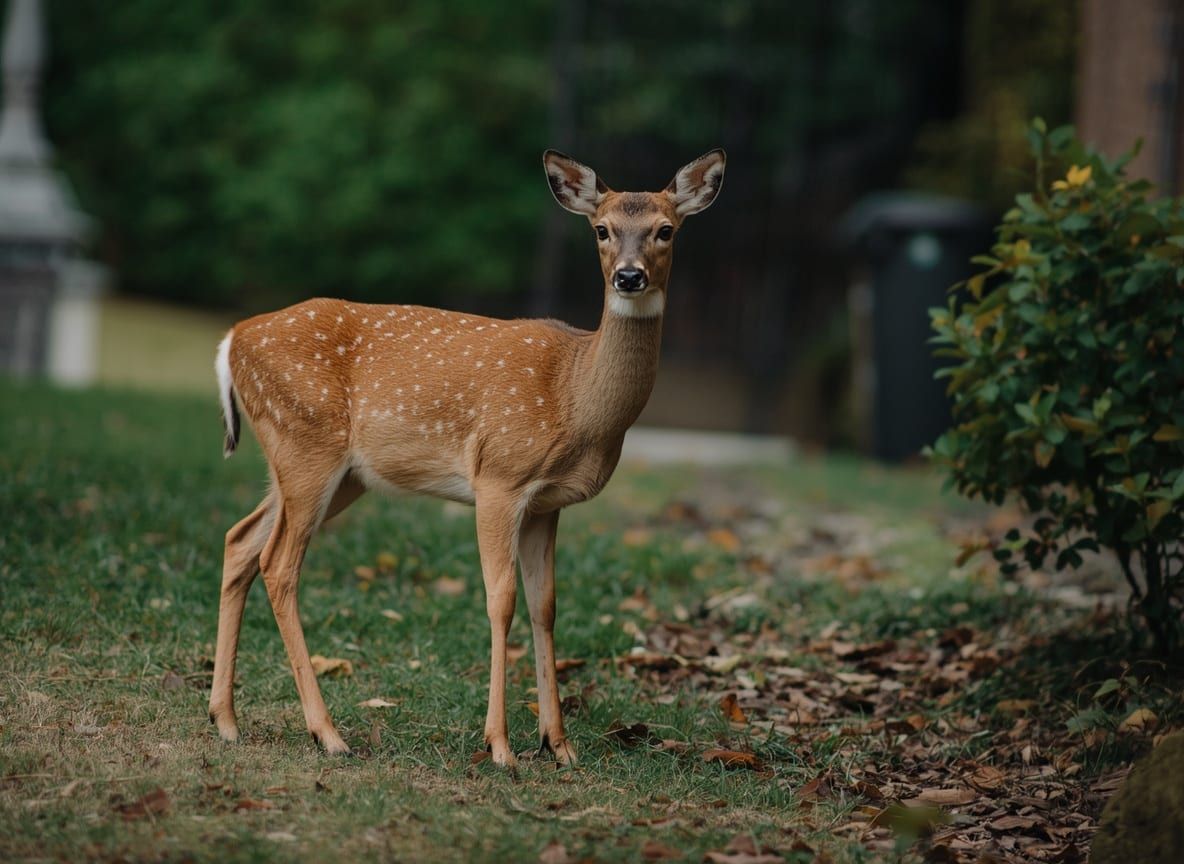
Dead deer
A deer found dead on a lawn, lot or fenced yard. Taken for disposal under TPWD's carcass rule; a deer on a road is not routed here.
What this involves →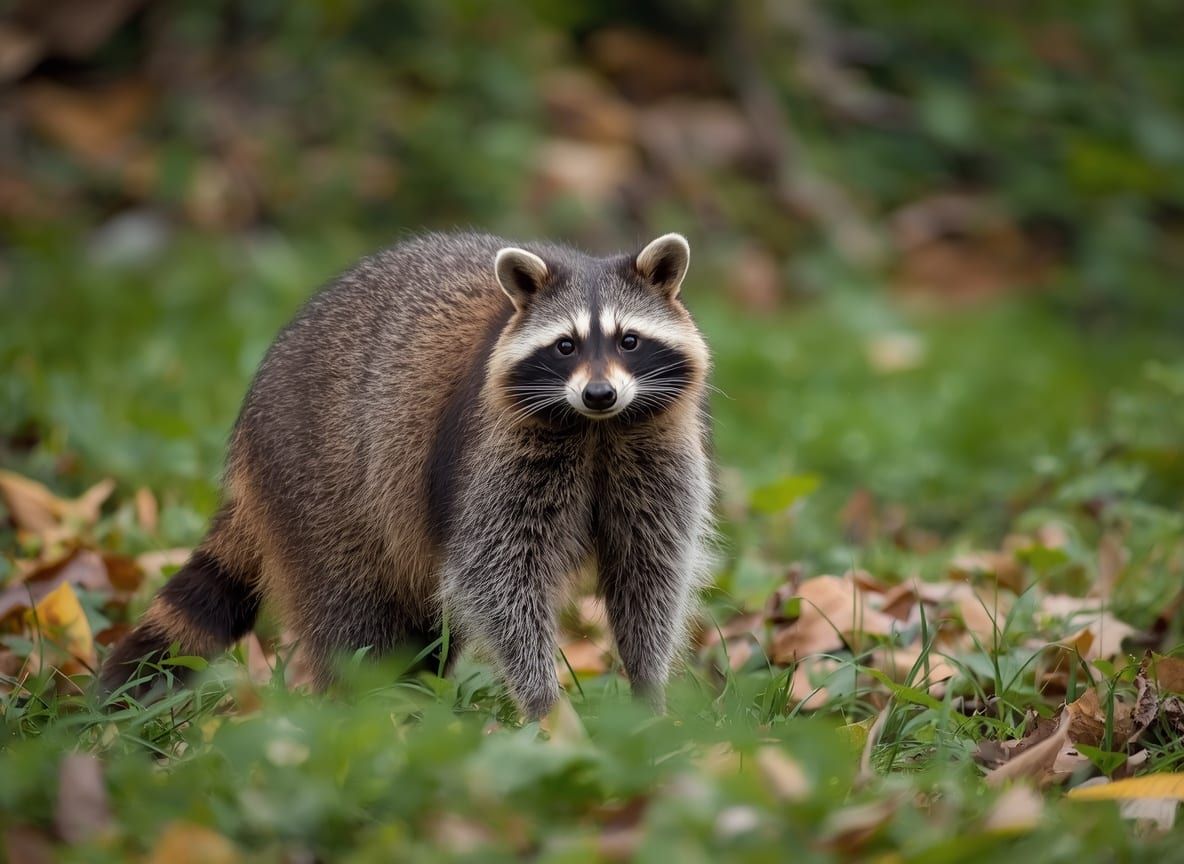
Dead raccoon
A raccoon found dead in a yard, under a deck or in an attic reached through the hatch. Collected for disposal; live raccoons are not routed.
What this involves →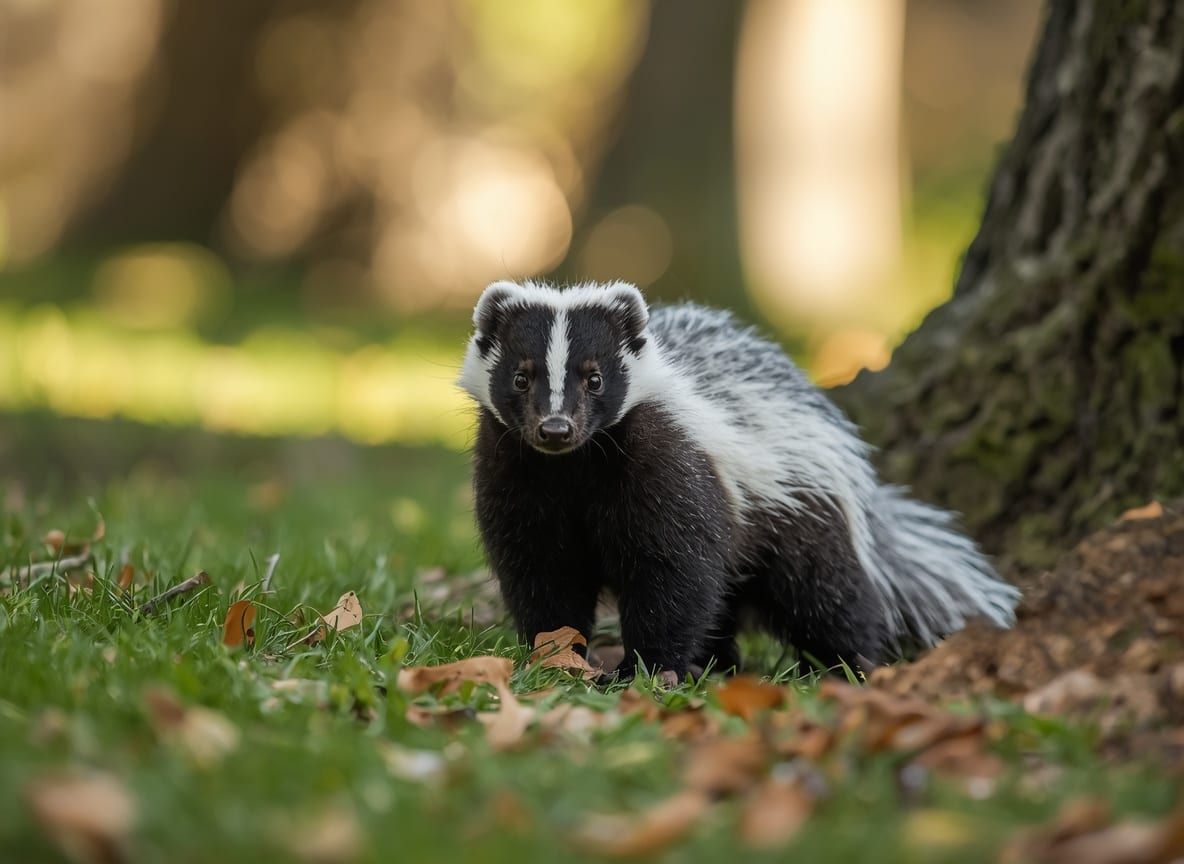
Dead skunk
A skunk found dead on a lot, beneath a deck or inside a crawl space. Taken for disposal; the smell is hedged, not promised away.
What this involves →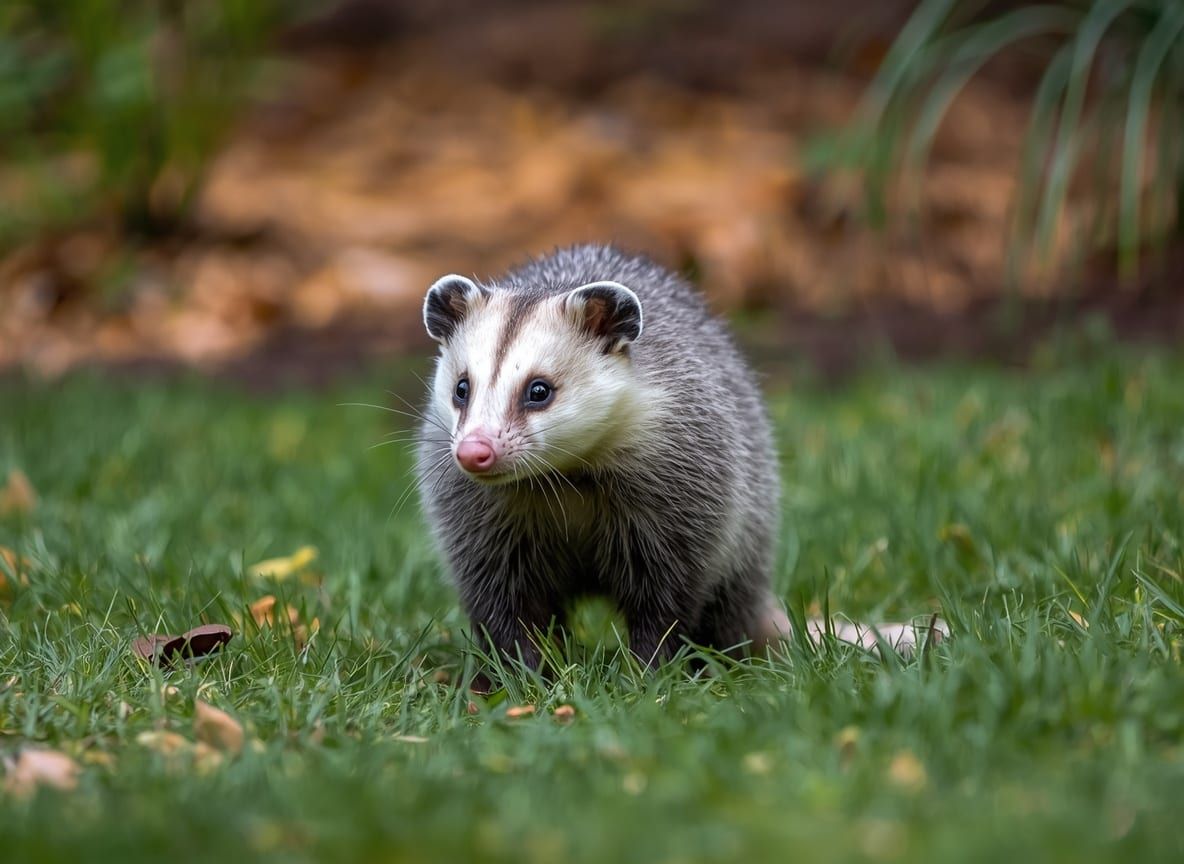
Dead opossum
An opossum found dead on a lot, under a deck or in a crawl space with an access door. Goes out for disposal and stays with no one.
What this involves →
Dead squirrel
A squirrel found dead in a yard, gutter or attic reached through the hatch. A game animal in Texas law; carried out whole for disposal.
What this involves →
Dead bird
Information only. What the statute calls a wild bird, what Harris County Public Health says about dead birds, and the bat note.
What this involves →By situation
7 pages that start from the spot rather than the species: open ground, under a house or deck, a crawl space, an attic, a smell with no visible source, the general removal page and the cost page. Each assumes a carcass an operator can reach through an opening the house already has, with no finished wall, ceiling or floor cut.
Dead animal removal
Pickup and disposal of a carcass lying where it can be reached on private property, by an independent operator where one covers the address.
What this involves →
In the yard
A carcass lying in the open on a lawn, bed, patio or driveway, with the curb options two Texas cities publish and the operator route for everything else.
What this involves →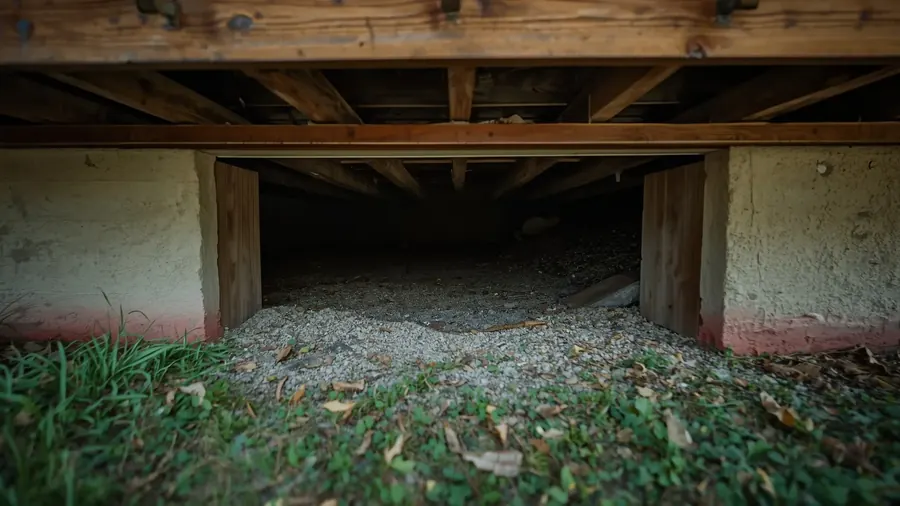
Under the house or deck
A carcass under a deck, porch, shed or raised house, reached through the gap or skirting opening the structure already has, by an independent operator where one covers the address.
What this involves →In a crawl space
A carcass in the crawl space of a raised house, reached through the hatch or vent opening the house already has, by an independent operator where one covers the address.
What this involves →In the attic
A carcass lying on the insulation, decking or ductwork of an attic, reached through the hatch or pull-down stairs the house already has, by an independent operator where one covers the address.
What this involves →Smell, nothing visible
The smell is certain and the carcass is not in sight. This page sorts a reachable carcass, which an operator can take, from a sealed-cavity smell, which is information only.
What this involves →Cost
The five things that move the price of a carcass removal on private property, with no figures, because the quote comes from the independent operator who covers the address.
What this involves →Every animal and situation picture is a stock or AI-generated illustration, not a photograph of work by this site or by any operator.
Two ways in. The animal pages say what the species changes in Texas: the deer disposal rule, the fur-bearing and game-animal classes, the rabies report, the bird rule. The situation pages start from where the animal lies, because that decides whether anyone can reach it without cutting. Live animals are outside this site altogether, and no request for one is routed.